2026-05-29
Selenium Deficiency Puts Your Thyroid at Risk
Learn how selenium supports thyroid health, prevents postpartum thyroiditis, and aids in managing hyperthyroidism and hypothyroidism.
Selenium Deficiency Puts Your Thyroid at Risk
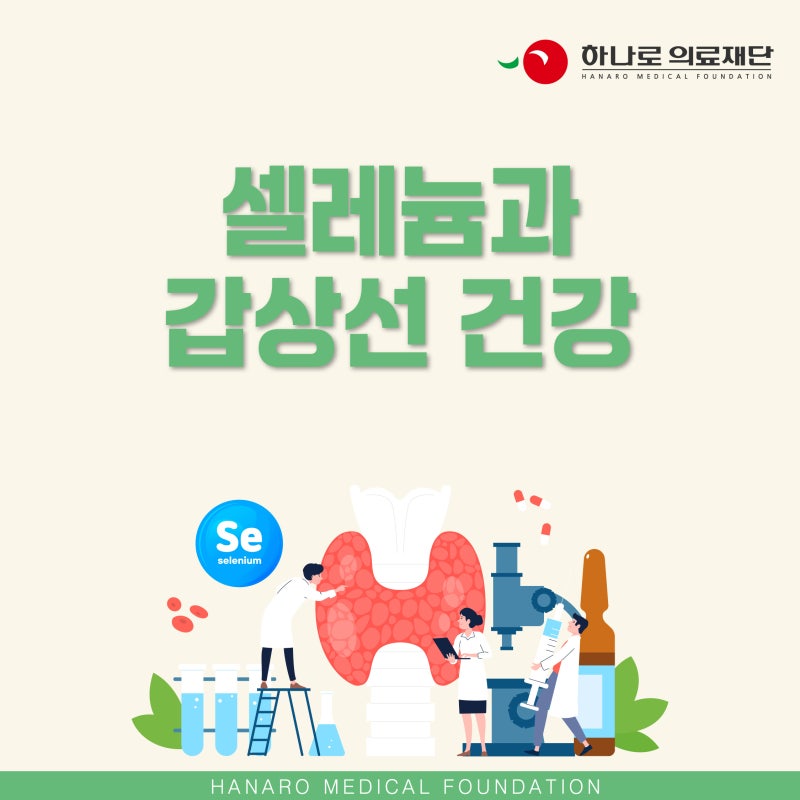
Hello. This is Hanaro Medical Foundation, your health checkup center in Jongno. With the recent increase in interest regarding thyroid diseases, thyroid-related nutrients such as selenium and iodine are also gaining attention. Among them, selenium is an essential nutrient that offers various health benefits, including maintaining thyroid function, strengthening immunity, and providing antioxidant effects. Today, Hanaro Medical Foundation will explore ‘Selenium and Thyroid Health.’
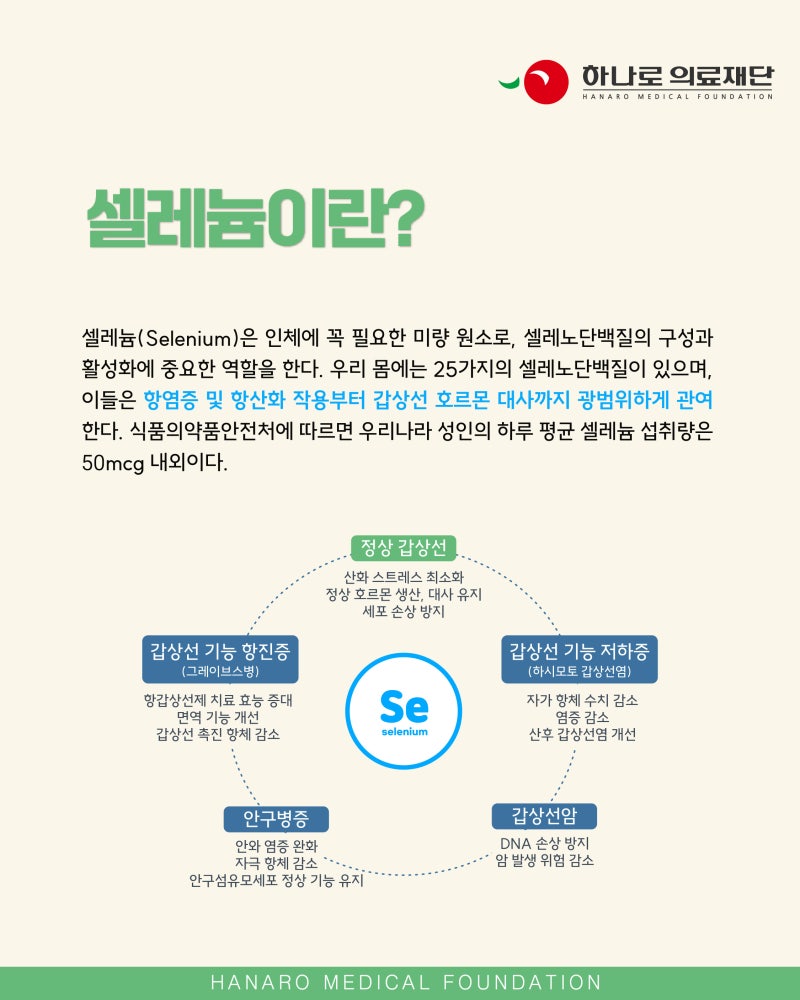
What is Selenium?
Selenium is a trace element essential for the human body, playing a crucial role in the composition and activation of selenoproteins. There are 25 types of selenoproteins in our body, and they are involved in a wide range of functions, from anti-inflammatory and antioxidant actions to thyroid hormone metabolism. According to the Ministry of Food and Drug Safety, the average daily selenium intake for adults in Korea is around 50mcg.
Role of Selenium ① Thyroid Hormone Production
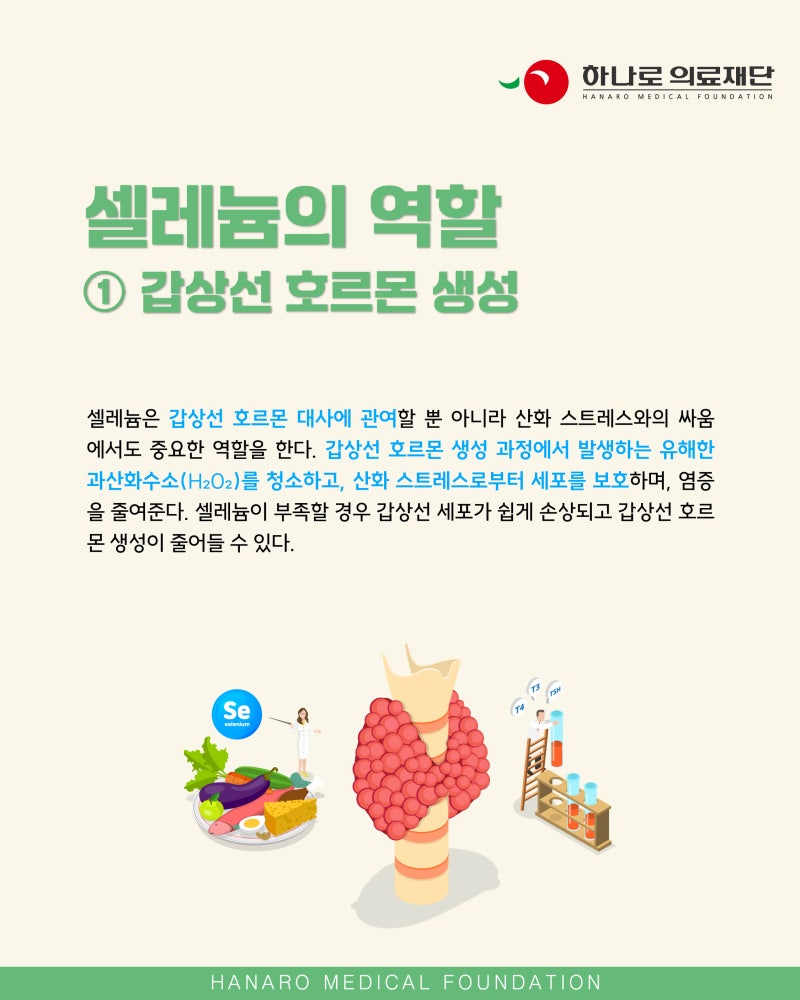
Selenium is not only involved in thyroid hormone metabolism but also plays a vital role in fighting oxidative stress. It cleans up harmful hydrogen peroxide (H2O2) generated during the thyroid hormone production process, protects cells from oxidative stress, and reduces inflammation. If selenium is deficient, thyroid cells can be easily damaged, and thyroid hormone production may decrease.
Role of Selenium ② Improving Thyroid Dysfunction Diseases
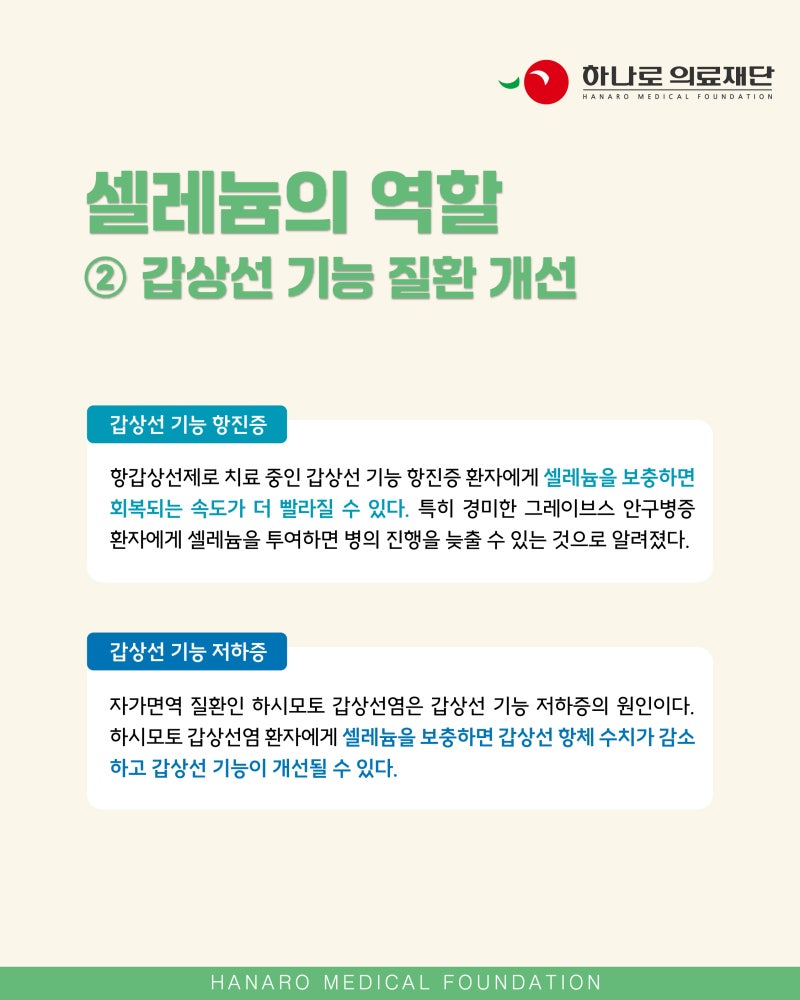
Hyperthyroidism
Supplementing selenium in patients with hyperthyroidism who are undergoing treatment with anti-thyroid drugs can speed up the recovery process. In particular, it is known that administering selenium to patients with mild Graves’ orbitopathy can slow the progression of the disease.
Hypothyroidism
Hashimoto’s thyroiditis, an autoimmune disease, is a cause of hypothyroidism. Supplementing selenium in patients with Hashimoto’s thyroiditis can reduce thyroid antibody levels and improve thyroid function.
Role of Selenium ③ Preventing Postpartum Thyroiditis
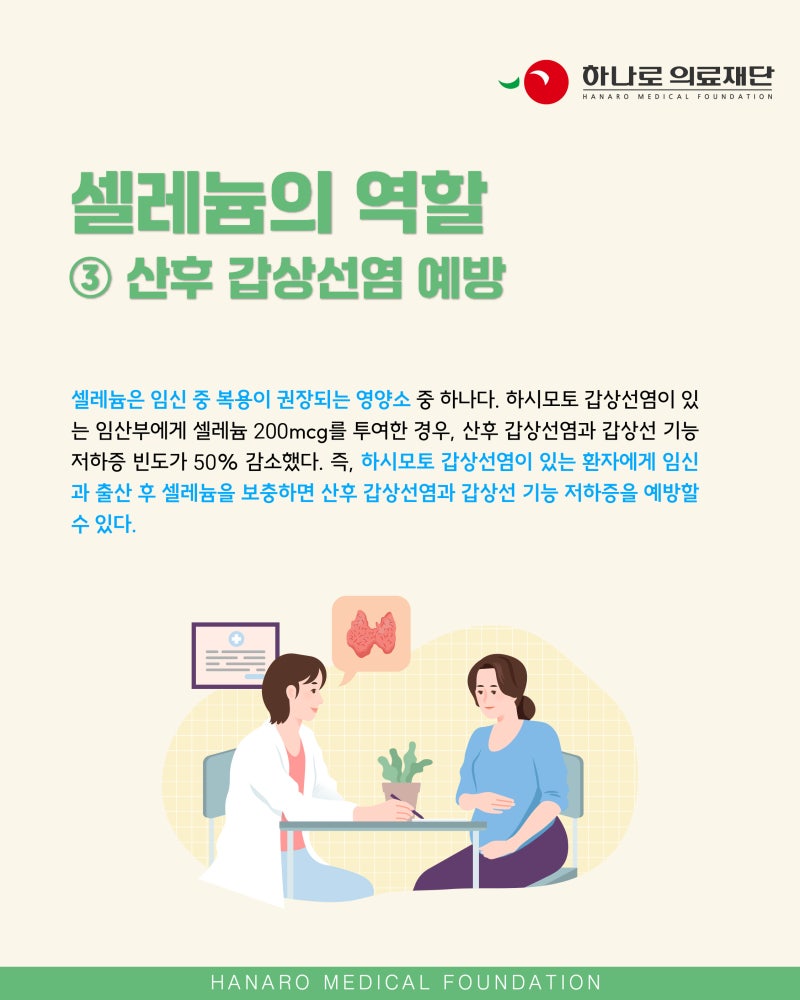
Selenium is one of the nutrients recommended for intake during pregnancy. When 200mcg of selenium was administered to pregnant women with Hashimoto’s thyroiditis, the frequency of postpartum thyroiditis and hypothyroidism decreased by 50%. In other words, supplementing selenium during and after pregnancy for patients with Hashimoto’s thyroiditis can prevent postpartum thyroiditis and hypothyroidism.
How Should Selenium Be Consumed?
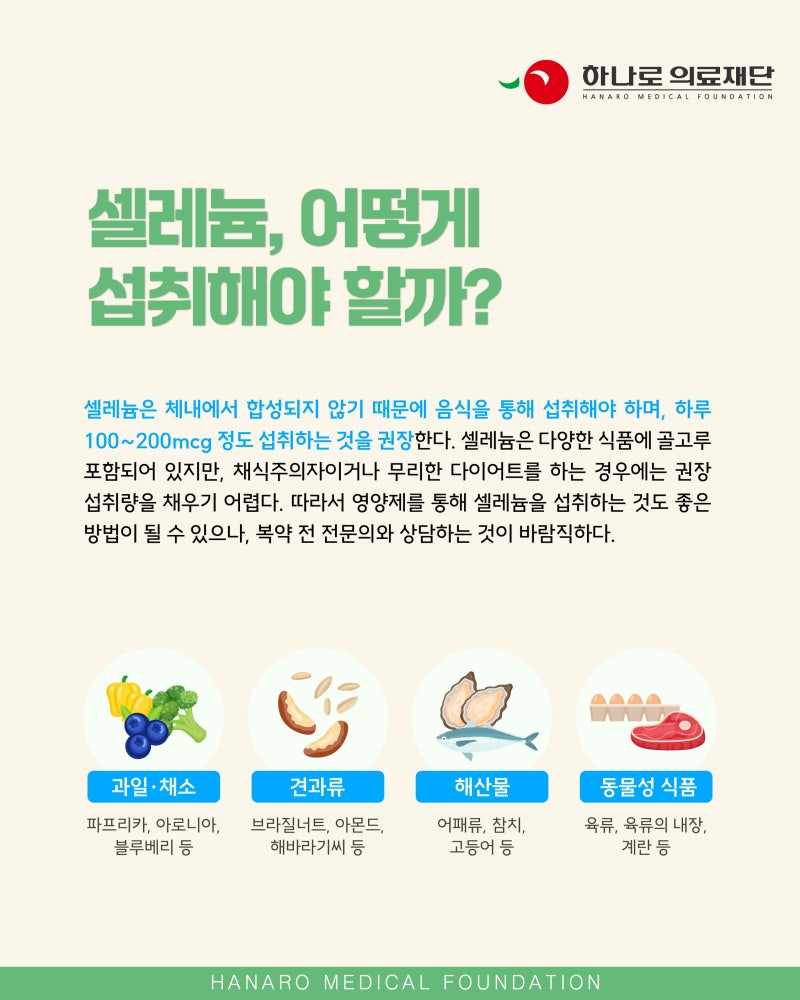
Since selenium is not synthesized in the body, it must be consumed through food, with a recommended daily intake of about 100–200mcg. While selenium is found in various foods, it can be difficult for vegetarians or those on extreme diets to meet the recommended intake. Therefore, taking selenium through supplements can be a good method, but it is advisable to consult with a specialist before taking them.
Fruits and Vegetables: Paprika, Aronia, Blueberries, etc. Nuts: Brazil nuts, Almonds, Sunflower seeds, etc. Seafood: Shellfish, Tuna, Mackerel, etc. Animal Products: Meat, Organ meats, Eggs, etc.
This content is excerpted from the column by Dr. Eun-Jig Lee, an endocrinologist at Hanaro Medical Foundation, in the April issue of ‘Healthy Life,’ a monthly magazine by the Korea Public Health Association. Please refer to the column below for more details.
👇👇👇
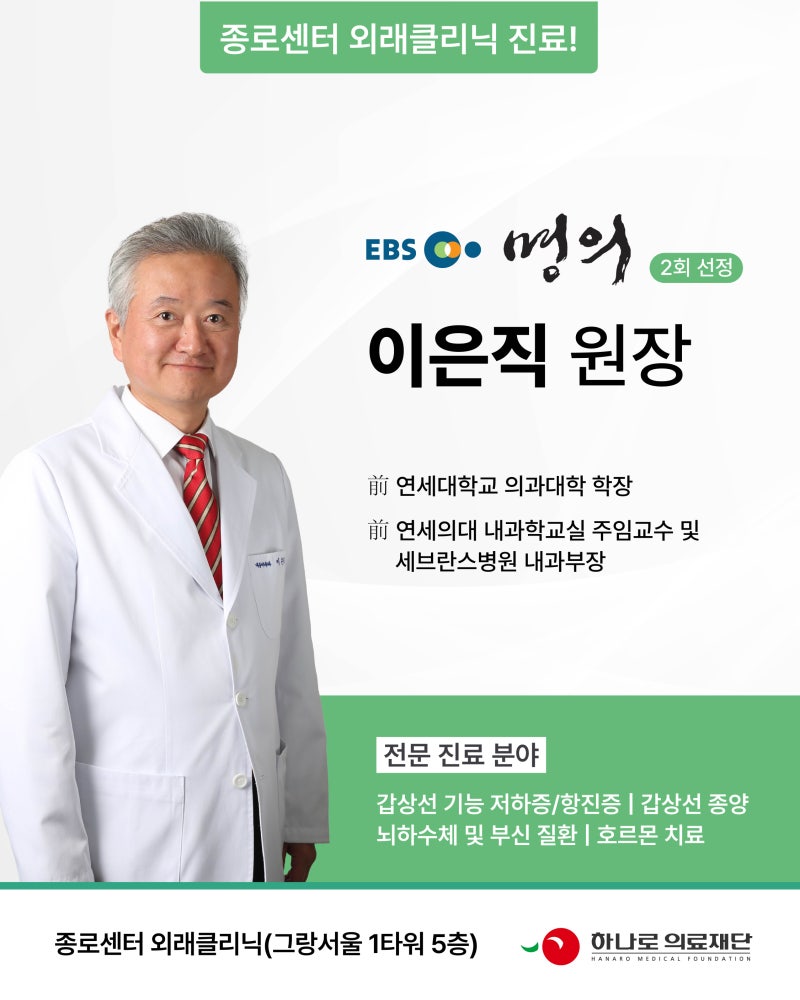
Hanaro Medical Foundation Jongno Center has invited Professor Eun-Jig Lee, an authority on thyroid and pituitary diseases, to strengthen the expertise of endocrine disease treatment.
We provide medical services focusing on hypothyroidism/hyperthyroidism, thyroid tumors, pituitary and adrenal diseases, as well as anti-aging, childhood growth, and various hormone treatments including thyroid hormones, adrenocortical hormones, and male hormones. We ask for your interest and support.
You can make a medical appointment with Dr. Eun-Jig Lee, Director of Endocrinology, more quickly and easily through Naver Reservation.






#Selenium #ThyroidHealth #Thyroid #HanaroMedicalFoundation #HanaroMedicalFoundationJongnoCenter
Frequently Asked Questions
What role does selenium play in thyroid health?
Yes, selenium plays a crucial role in thyroid hormone production and cell protection. It helps maintain thyroid function by clearing harmful hydrogen peroxide generated during hormone production, protecting cells from oxidative stress, and reducing inflammation.
Is selenium supplementation helpful for patients with thyroid disease?
Yes, it can be helpful. It can accelerate the recovery rate in patients with hyperthyroidism and slow the progression of mild ophthalmopathy. It also has a positive effect on reducing antibody levels and improving function in patients with hypothyroidism, such as Hashimoto's thyroiditis.
Is it safe for pregnant women to take selenium?
Yes, it is one of the nutrients recommended during pregnancy. Especially for pregnant women with Hashimoto's thyroiditis, selenium supplementation can significantly reduce and help prevent the incidence of postpartum thyroiditis and hypothyroidism after childbirth.
How much selenium should I consume per day?
It is recommended to consume about 100-200mcg per day. The average daily intake for adults in Korea is around 50mcg, so it is advisable to consume it evenly through various foods such as Brazil nuts, seafood, and meat, or to supplement with nutrients after consulting a specialist if necessary.