2026-05-29
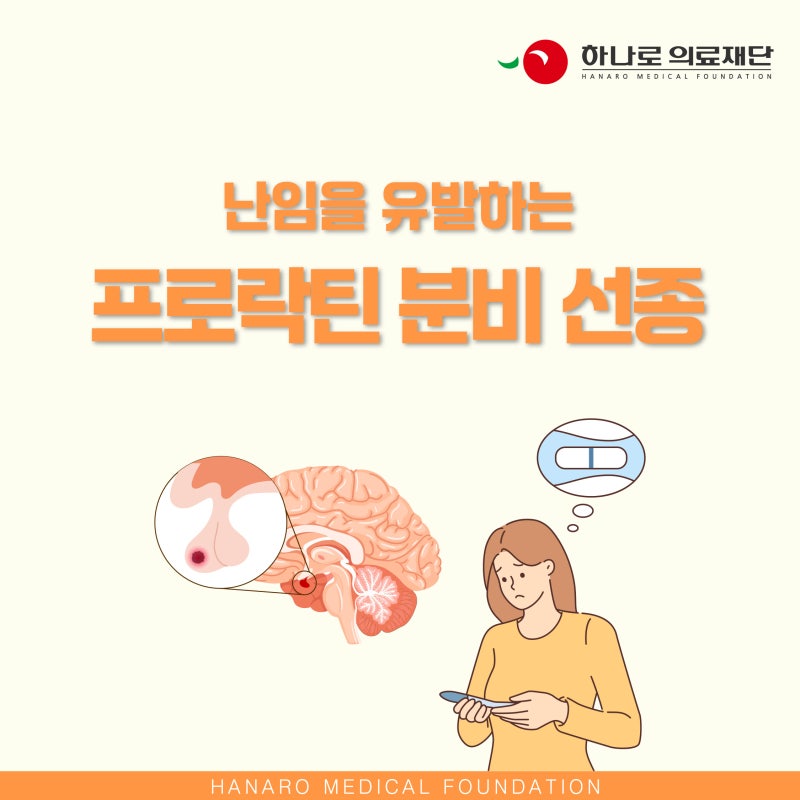
Prolactinoma: The Pituitary Adenoma That Causes Infertility
Learn about prolactinoma, a common pituitary tumor causing infertility, its symptoms in men and women, and effective medical and surgical treatment options.
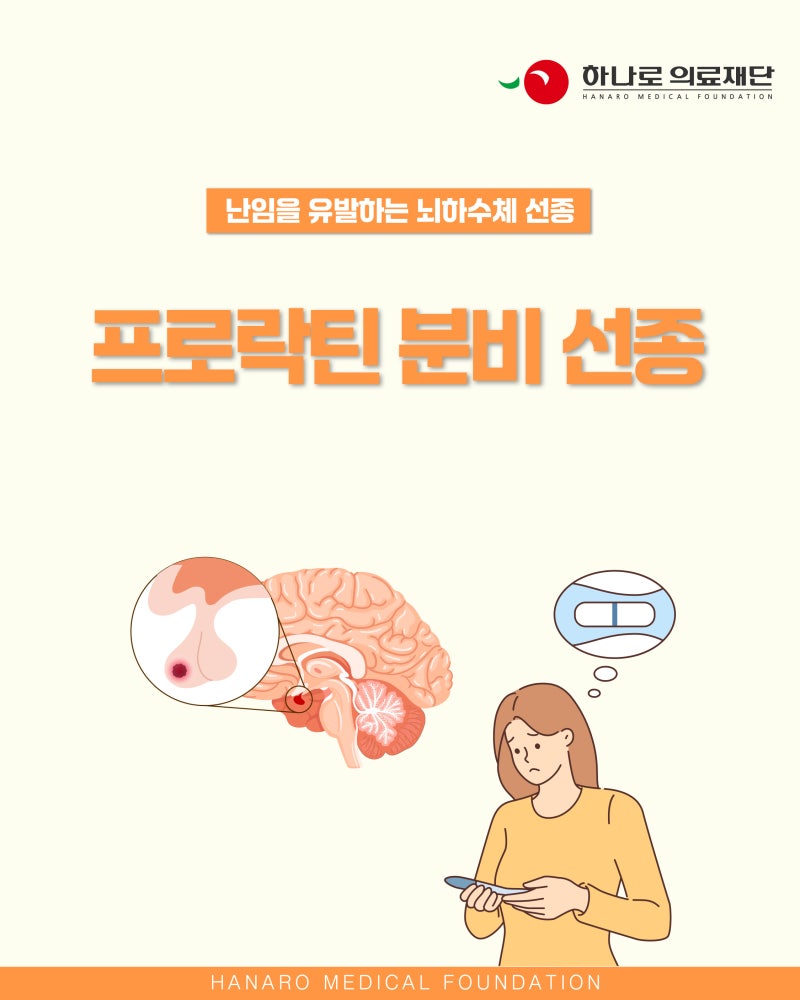
Prolactinoma: The Pituitary Adenoma That Causes Infertility
Hello. This is Hanaro Medical Foundation, your health checkup center in Jongno and Gangnam.
Among women visiting obstetrics and gynecology clinics for infertility, some receive an unexpected diagnosis: a prolactinoma, which is a type of pituitary tumor.
While it primarily occurs in women of childbearing age and can cause infertility in both men and women, pregnancy and childbirth are fully achievable with appropriate treatment.
Today, Hanaro Medical Foundation will explore ‘prolactinoma’, a potential cause of infertility.
What is a Prolactinoma?
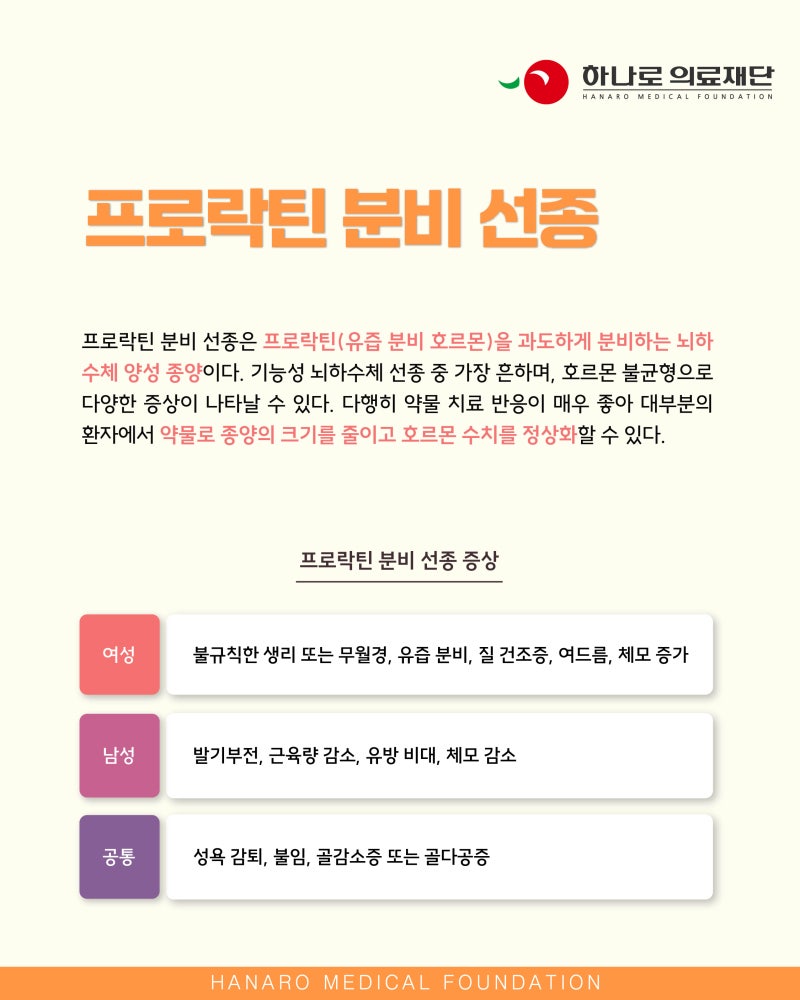
A prolactinoma is a benign (non-cancerous) tumor of the pituitary gland that overproduces prolactin, the hormone responsible for milk production. It is the most common type of functional pituitary adenoma and can cause various symptoms due to hormonal imbalances. Fortunately, it responds very well to medical treatment; in most patients, medication can reduce the tumor size and normalize hormone levels.
[Symptoms of Prolactinoma]
Women | Irregular periods or amenorrhea, nipple discharge (galactorrhea), vaginal dryness, acne, increased body hair |
Men | Erectile dysfunction, decreased muscle mass, breast enlargement (gynecomastia), decreased body hair |
Common | Decreased libido, infertility, osteopenia, or osteoporosis |
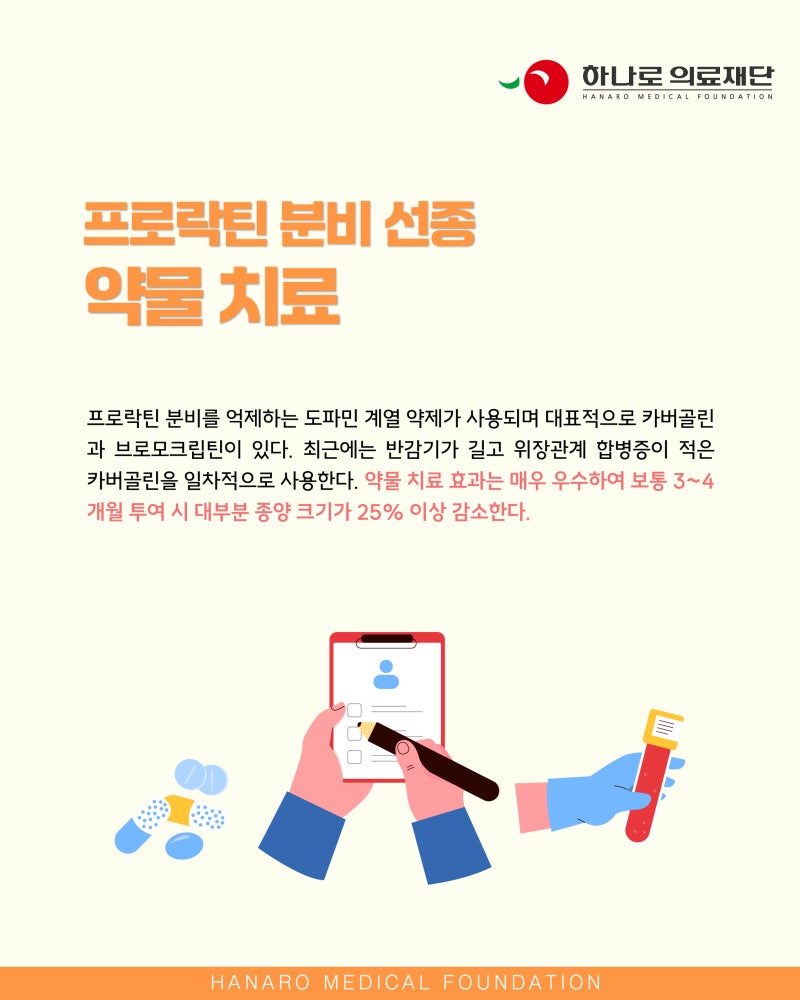
Medical Treatment for Prolactinoma
Dopamine agonist medications that inhibit prolactin secretion are used, typically Cabergoline and Bromocriptine. Recently, Cabergoline is preferred as a primary treatment due to its longer half-life and fewer gastrointestinal side effects. The effectiveness of medical treatment is excellent; usually, after 3 to 4 months of administration, the tumor size decreases by more than 25% in most cases.
Planning Pregnancy During Prolactinoma Treatment
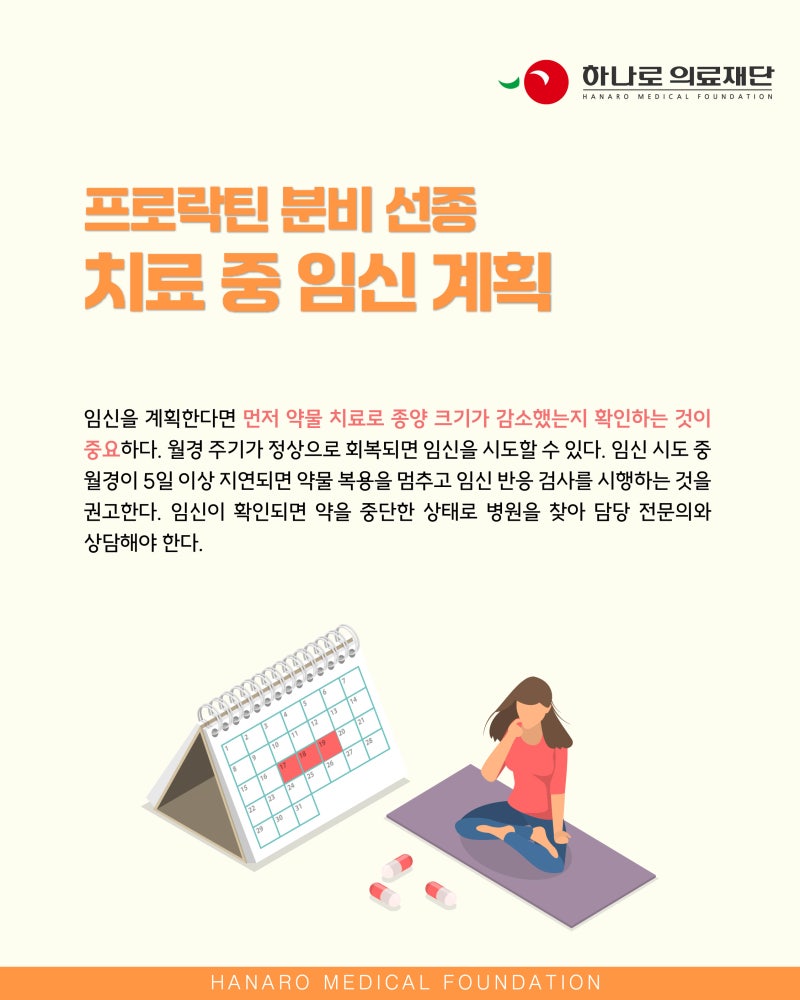
If you are planning a pregnancy, it is important to first confirm that the tumor size has decreased through medical treatment. Once the menstrual cycle returns to normal, you can attempt to conceive. If menstruation is delayed by more than 5 days while trying to conceive, it is recommended to stop the medication and perform a pregnancy test. Once pregnancy is confirmed, you should visit the hospital while off the medication to consult with your specialist.
Pregnancy and Breastfeeding During Treatment
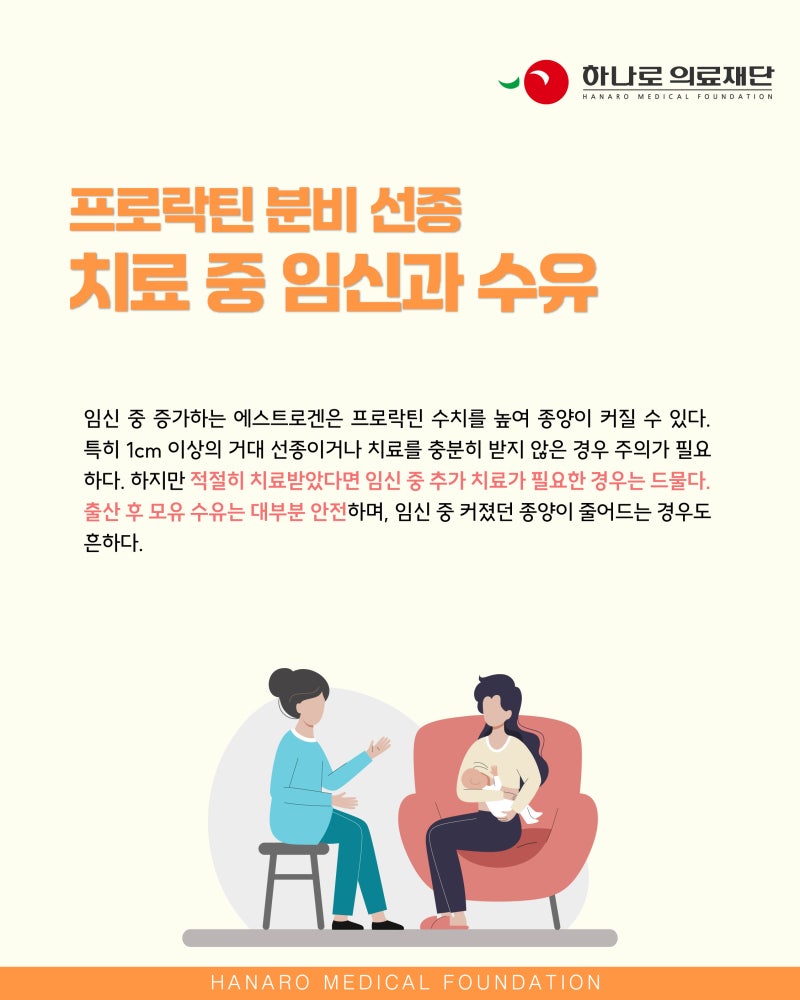
Estrogen, which increases during pregnancy, can raise prolactin levels and potentially cause the tumor to grow. Caution is especially needed for macroadenomas (1 cm or larger) or if treatment was insufficient. However, if properly treated beforehand, additional treatment during pregnancy is rarely required. Breastfeeding after childbirth is generally safe, and it is common for tumors that grew during pregnancy to shrink afterward.
Surgical Treatment for Prolactinoma
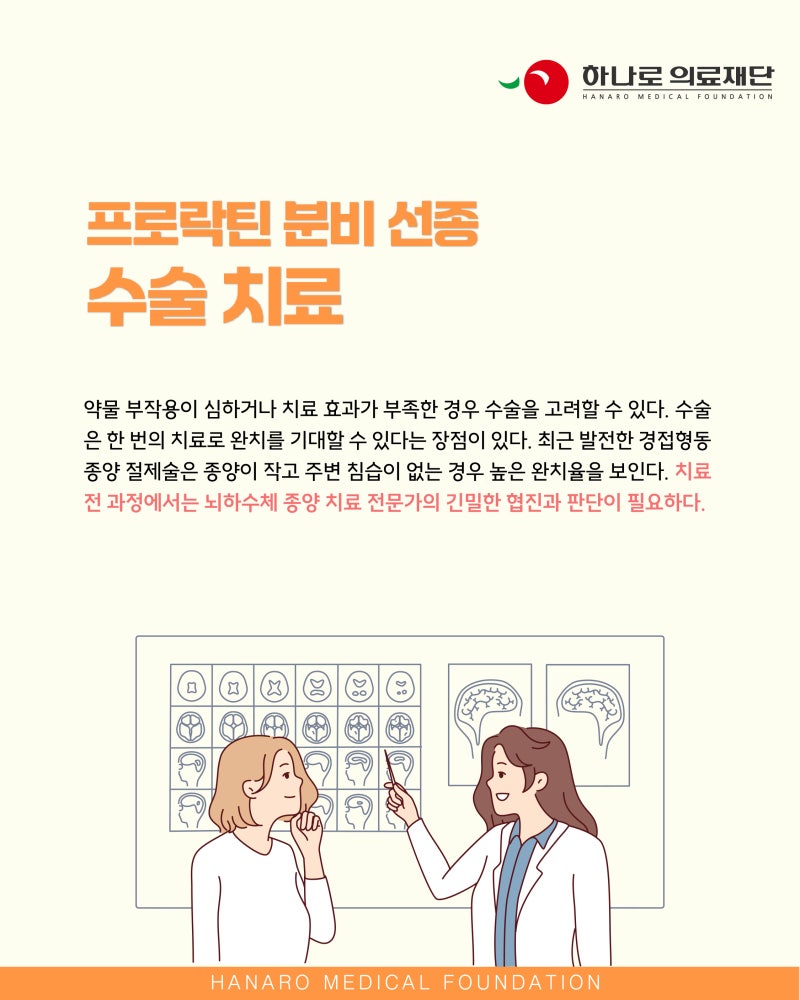
Surgery may be considered if side effects from medication are severe or if the treatment effect is insufficient. Surgery offers the advantage of a potential cure in a single procedure. Recently developed transsphenoidal surgery shows high cure rates when the tumor is small and has not invaded surrounding areas. Throughout the treatment process, close collaboration and judgment from a pituitary tumor specialist are essential.
This content is excerpted from the column by Dr. Eun-Jig Lee, an endocrinologist at Hanaro Medical Foundation, in the February issue of ‘Healthy Life’, a monthly magazine by the Korea Public Health Association. Please refer to the column below for more details.👇👇👇

To strengthen our expertise in endocrine disease treatment, Hanaro Medical Foundation Jongno Center has invited Professor Eun-Jig Lee, a leading authority on thyroid and pituitary diseases.
We provide specialized care for hypothyroidism/hyperthyroidism, thyroid tumors, pituitary and adrenal diseases, as well as anti-aging, childhood growth, and various hormone therapies including thyroid, adrenocortical, and male hormones. We look forward to your interest and support.
You can book an appointment with Dr. Eun-Jig Lee in the Endocrinology Department more quickly and easily through Naver Reservation.






#Prolactinoma #PituitaryAdenoma #CauseOfInfertility #HanaroMedicalFoundation #HanaroMedicalFoundationJongnoCenter