2026-05-29
Ways for Women in Their 40s and 50s to Overcome Menopause
Learn about the symptoms of menopause and effective ways to manage it through hormone therapy, regular health checkups, exercise, and diet.
Ways for Women in Their 40s and 50s to Overcome Menopause
Hello. This is Hanaro Medical Foundation, a health checkup center in Jongno and Gangnam.
Every woman experiences menopause around the age of 50.
During this period, many physical and psychological changes occur, such as hot flashes, depression, mood swings, memory loss, and sleep disorders.
However, if managed well, menopause can be a time to improve your quality of life and protect your health.
Today, Hanaro Medical Foundation will explore ‘Ways to Overcome Menopause’.
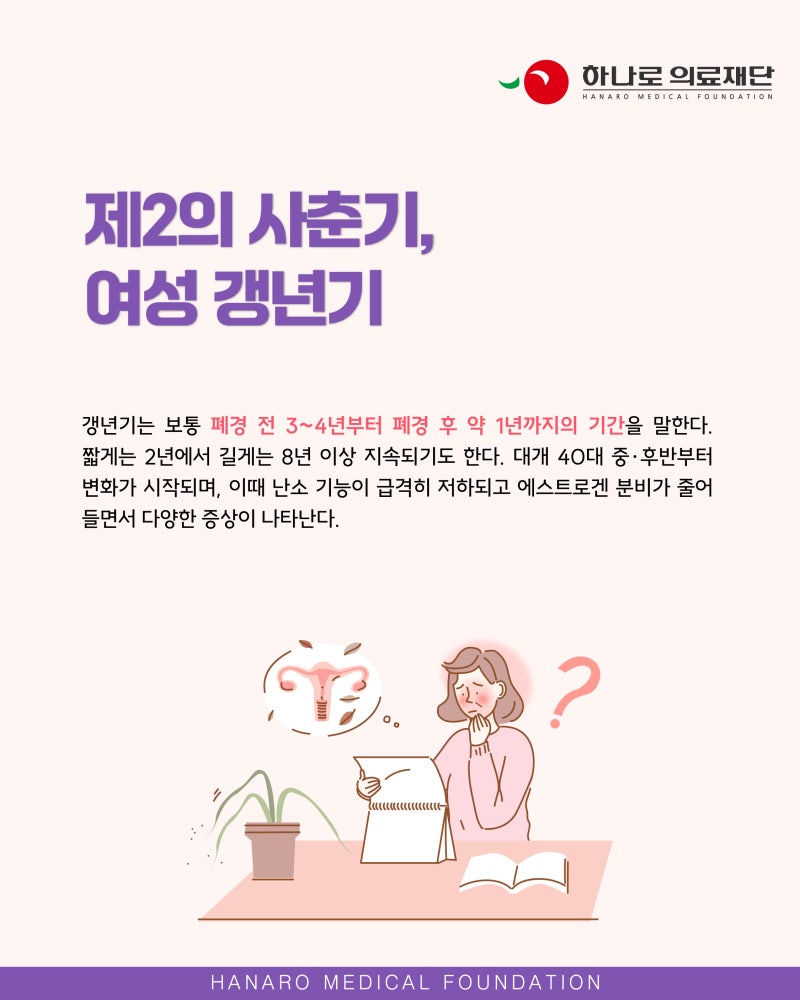
The Second Puberty: Female Menopause
Menopause usually refers to the period from 3 to 4 years before the final period to about 1 year after. It can last as short as 2 years or as long as 8 years or more. Changes typically begin in the mid-to-late 40s, when ovarian function declines sharply and estrogen secretion decreases, leading to various symptoms.
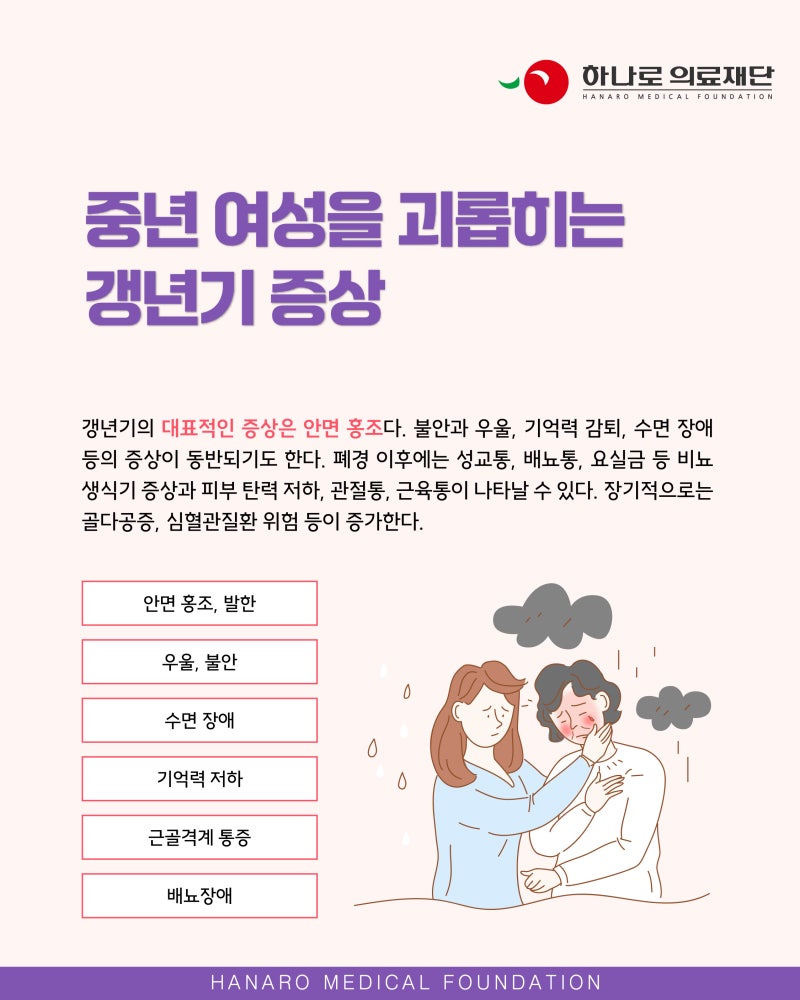
Menopausal Symptoms That Trouble Middle-Aged Women
The most representative symptom of menopause is hot flashes. It may be accompanied by anxiety, depression, memory loss, and sleep disorders. After menopause, urogenital symptoms such as painful intercourse, painful urination, and urinary incontinence may occur, along with decreased skin elasticity, joint pain, and muscle pain. In the long term, the risk of osteoporosis and cardiovascular disease increases.
✔ Hot flashes, sweating ✔ Depression, anxiety ✔ Sleep disorders ✔ Memory loss ✔ Musculoskeletal pain ✔ Urinary disorders
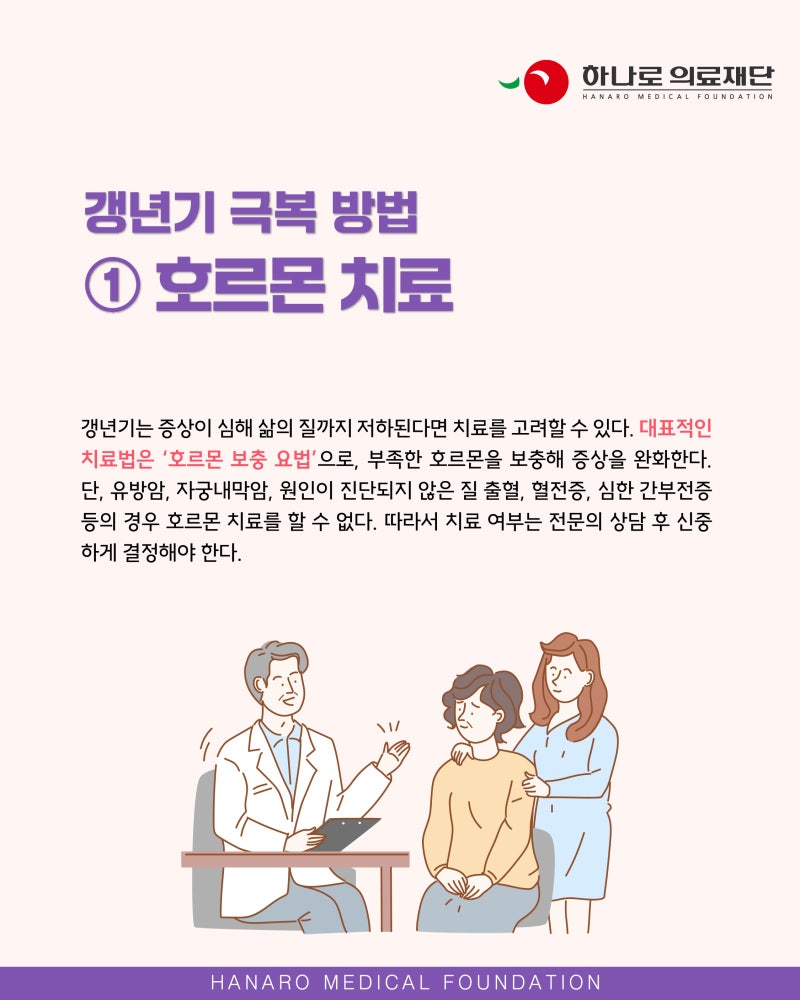
Ways to Overcome Menopause ① Hormone Therapy
If symptoms are severe enough to lower the quality of life, treatment can be considered. The representative treatment is ‘Hormone Replacement Therapy’ (HRT), which alleviates symptoms by replenishing deficient hormones. However, hormone therapy cannot be performed in cases of breast cancer, endometrial cancer, undiagnosed vaginal bleeding, thrombosis, or severe liver failure. Therefore, the decision to undergo treatment should be made carefully after consulting with a specialist.
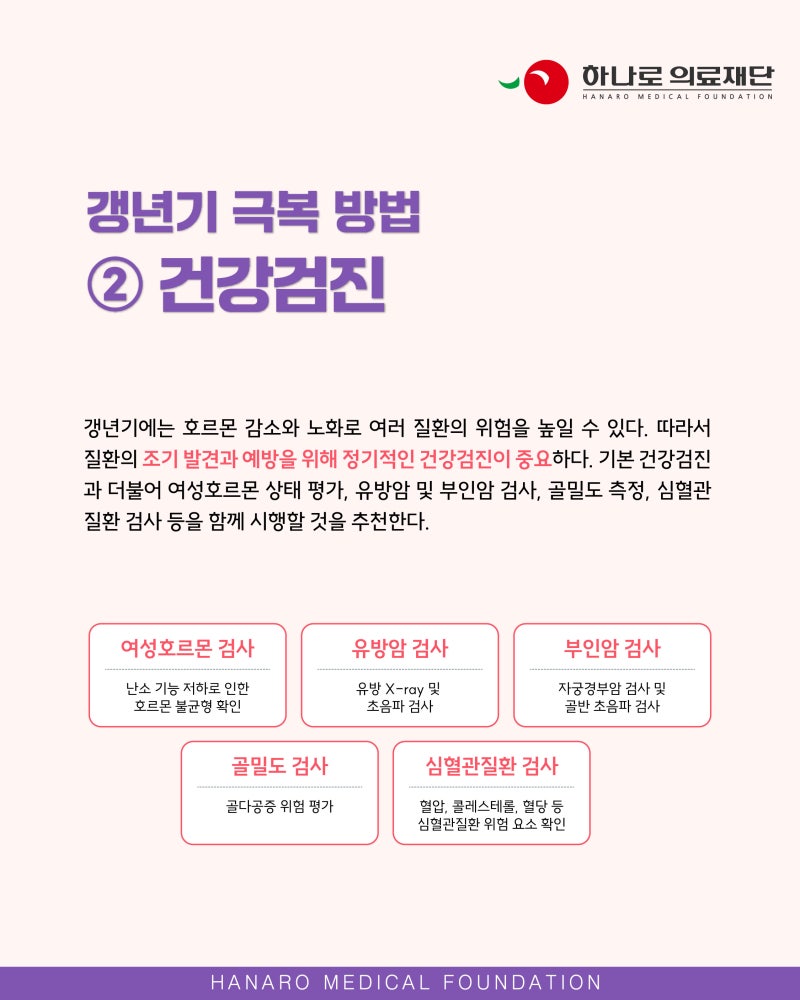
Ways to Overcome Menopause ② Health Checkups
During menopause, hormonal decline and aging can increase the risk of various diseases. Therefore, regular health checkups are important for early detection and prevention. In addition to basic health checkups, it is recommended to undergo female hormone status evaluation, breast and gynecological cancer screening, bone density measurement, and cardiovascular disease testing.
Female Hormone Test | Check for hormonal imbalance due to decreased ovarian function |
Breast Cancer Screening | Breast X-ray and ultrasound examination |
Gynecological Cancer Screening | Cervical cancer screening and pelvic ultrasound |
Bone Density Test | Evaluation of osteoporosis risk |
Cardiovascular Disease Test | Check risk factors such as blood pressure, cholesterol, and blood sugar |
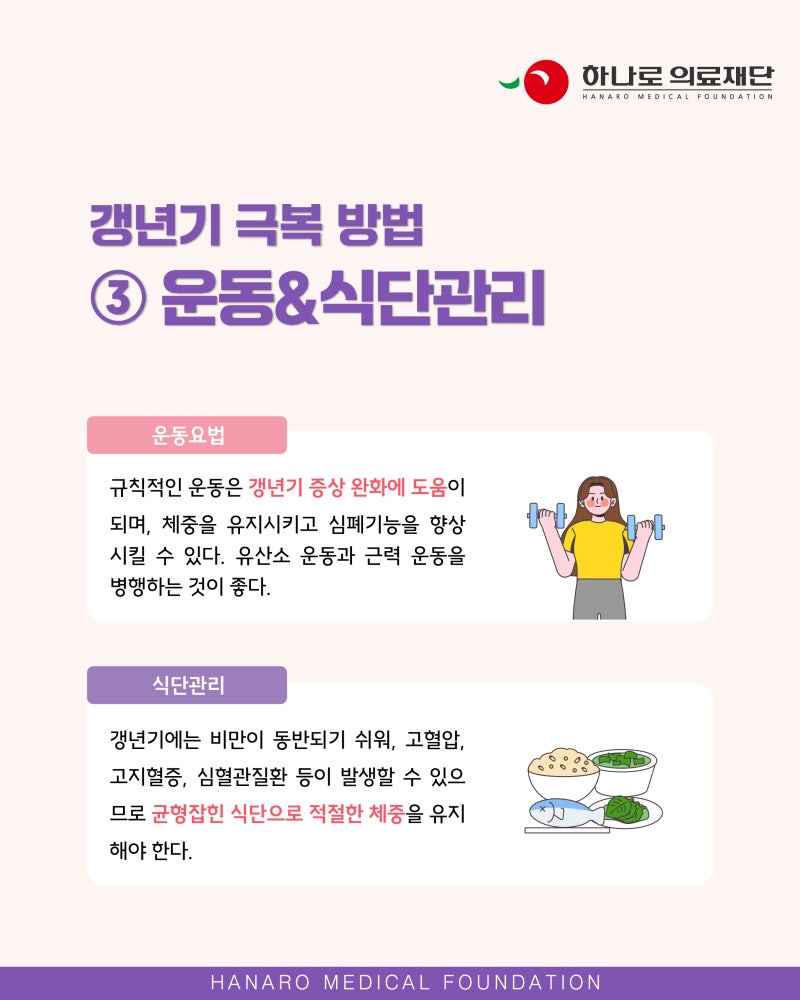
Ways to Overcome Menopause ③ Exercise & Diet Management
✅ Exercise Therapy
Regular exercise helps alleviate menopausal symptoms, maintains weight, and improves cardiopulmonary function. It is good to combine aerobic exercises such as walking, jogging, and swimming with strength training like yoga and Pilates.
✅ Diet Management
During menopause, appetite increases while the basal metabolic rate decreases, making it easy to become obese. This can lead to hyperlipidemia, high blood pressure, and cardiovascular disease, so it is important to maintain an appropriate weight with a balanced diet.






#HanaroMedicalFoundation #HanaroMedicalFoundationJongno #HanaroMedicalFoundationGangnam #Menopause #HormoneReplacementTherapy #MenopauseTreatment
Frequently Asked Questions
When does menopause usually start and how long does it last?
It usually starts in the mid-to-late 40s and can last from as short as 2 years to over 8 years. Menopause is generally considered the period from about 3-4 years before menopause until about 1 year after menopause, during which ovarian function rapidly declines and estrogen secretion decreases, leading to various symptoms.
What are the typical symptoms of menopause?
The most common symptom is hot flashes. In addition, anxiety, depression, memory loss, and sleep disturbances may occur, and after menopause, genitourinary symptoms such as urinary incontinence, joint pain, and muscle pain may appear. In the long term, the risk of osteoporosis and cardiovascular disease increases.
Can I receive hormone therapy if my menopausal symptoms are severe?
Yes, if symptoms are severe and quality of life is diminished, hormone replacement therapy can be considered. It helps alleviate symptoms by supplementing deficient hormones. However, treatment is not possible if you have breast cancer, endometrial cancer, or thrombosis, so it must be decided after consultation with a specialist.
What health check-up items should menopausal women definitely receive?
Hormone level tests, breast cancer and gynecological cancer screenings, bone density tests, and cardiovascular disease screenings are recommended. During menopause, the risk of various diseases increases due to hormone reduction and aging, so it is important to regularly perform these specialized tests along with basic check-ups to detect and prevent diseases early.
How should exercise and diet be managed to overcome menopause?
Combine aerobic exercises like walking or swimming with strength training like yoga, and maintain weight with a balanced diet. During menopause, basal metabolic rate decreases, making obesity more likely, which can lead to hyperlipidemia or high blood pressure, so regular exercise and diet management are essential.